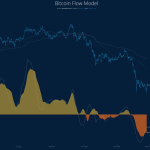






A review of five years’ worth of data from the Chicago Mercantile Exchange (CME) reveals insights into bitcoin’s price support levels, particularly noting the absence of robust support within the $70,000 to $80,000 range. This analysis, conducted using historical futures data, is significant as it provides traders and investors with a clearer understanding of potential vulnerabilities in the cryptocurrency’s price stability during periods of heightened market activity.
The CME, which began offering bitcoin futures in December 2017, provides a regulated platform for trading bitcoin futures contracts, thus offering insights into institutional investment trends and price support levels. According to available data, although bitcoin has experienced numerous price fluctuations, certain thresholds have not established strong historical support or resistance. Particularly, the $70,000 to $80,000 price range is identified as an area of concern due to the lack of sustained trading volume and investor interest at these levels.
From an investment perspective, understanding where bitcoin lacks historical support is crucial for traders who rely on technical analysis and trend forecasting. The absence of support in this range implies that future attempts to stabilize or advance within these price points could face challenges, potentially leading to increased volatility. Market analysts suggest that this gap could result in rapid price movements when bitcoin approaches these thresholds, as there is a lack of previous buying interest to provide a safety net.
The gap in price support might be attributed to several factors, including market speculation, regulatory developments, and macroeconomic influences that often drive bitcoin’s price dynamics. The cryptocurrency market is notoriously volatile, influenced by both internal and external factors such as regulatory announcements, technological developments, and shifts in investor sentiment. The absence of historical support at significant price levels further underscores the importance of understanding the broader market context when strategizing investments in cryptocurrencies.
Moreover, the regulatory landscape has been a pivotal factor affecting bitcoin’s market behavior. In recent years, governments and financial authorities worldwide have intensified their scrutiny of digital currencies, seeking to implement frameworks that ensure market stability and protect investors. Such regulatory moves have at times contributed to bitcoin’s price fluctuations, as traders react to perceived risks and opportunities arising from new legislation.
In the United States, the Securities and Exchange Commission (SEC) and the Commodity Futures Trading Commission (CFTC) have played key roles in shaping the regulatory environment for cryptocurrencies, influencing investor confidence and market dynamics. While regulations aim to provide clarity and establish safeguards, they can also deter speculative trading, which has historically contributed to bitcoin’s price volatility.
In the absence of strong historical support at certain price levels, traders may find it beneficial to closely monitor regulatory developments, macroeconomic indicators, and shifts in market sentiment. These factors can significantly impact bitcoin’s price trajectory, particularly in the absence of established support levels. As such, strategies that account for potential volatility and leverage technical analysis to identify alternative support and resistance zones may prove advantageous.
Looking ahead, the market for bitcoin futures and other cryptocurrency derivatives is expected to evolve as more institutional investors enter the space, seeking to capitalize on emerging opportunities while managing risk. The introduction of additional financial products and services could contribute to more stable trading environments, potentially addressing some of the issues related to gaps in historical price support.
In conclusion, the review of five years of CME futures data highlights a notable absence of historical support for bitcoin within the $70,000 to $80,000 range. This finding emphasizes the need for traders and investors to remain vigilant regarding potential volatility and to consider a broad array of factors, including regulatory developments and market sentiment, when making investment decisions. As the cryptocurrency market continues to mature, participants will need to adapt their strategies to navigate the complexities of an ever-evolving financial landscape.
Post Views: 1